
Inaugural steps
My first Substack explores Waymo's teen spirit, China's automotive ascendance and Detroit's arrival as a legit mobility hub.

Hello readers,
Welcome to my Substack.
Shortly after Google started publicly discussing its self-driving car project back in 2010, I enjoyed the good fortune and considerable dumb luck of being among the first reporters to chronicle those efforts in earnest.
My interest and fascination with emerging transportation technology — it started another lifetime ago when I worked as a flight instructor — mushroomed from there.
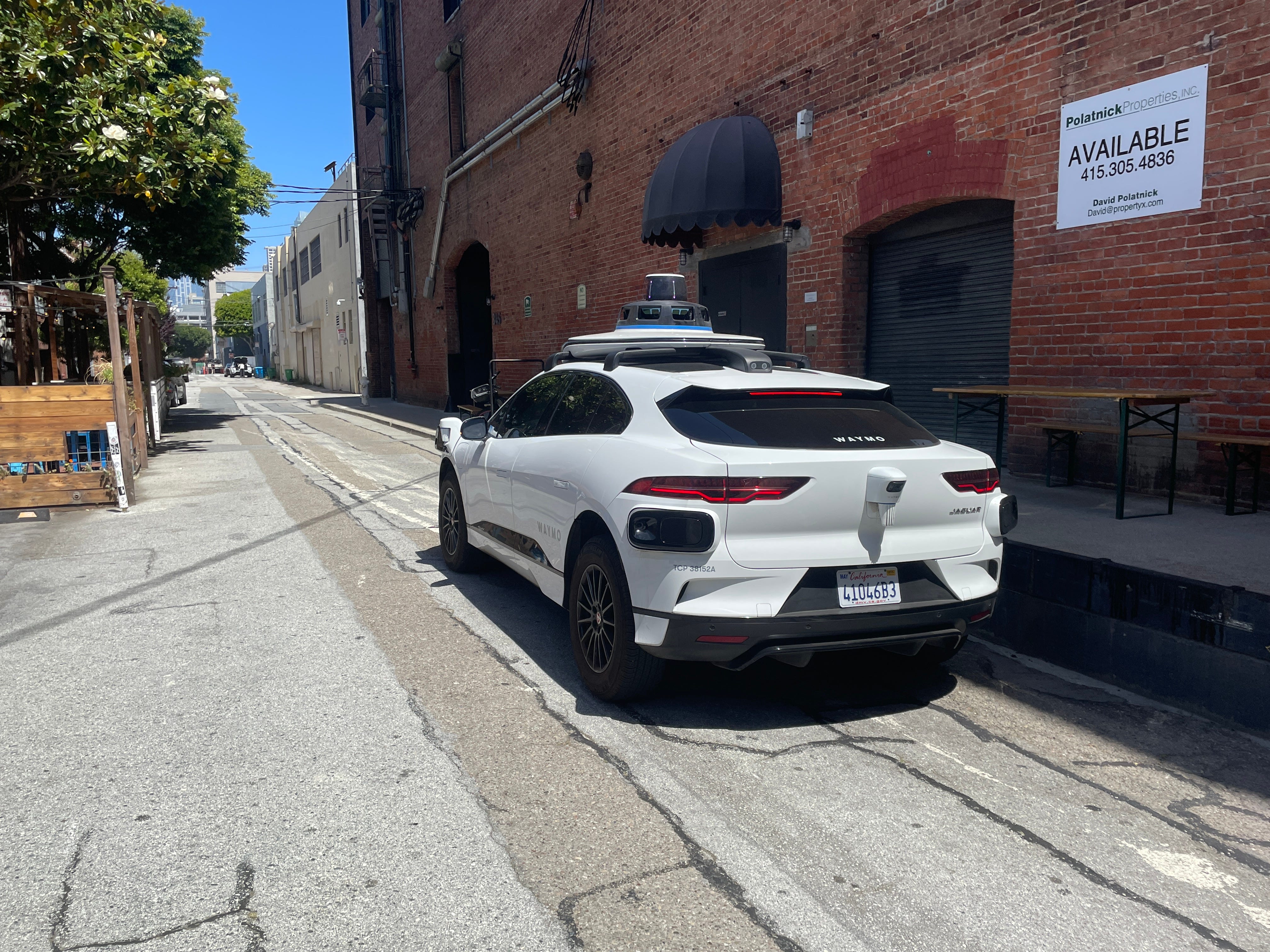
Fast forward to today. I’ve been writing about these topics for 15 years, and Waymo, the commercial descendant of Google’s early self-driving endeavors, has scratched its way to achieving its autonomous-driving dreams. It has deployed more than 1,500 robotaxis in five major U.S. cities.
Waymo’s efforts are a prime example, though hardly the only one, of the substantial changes underway in a transportation landscape long dominated by antiquated infrastructure, archaic policy and entrenched interested that protect the status quo.
Innovation across the transportation realm now comprises the crux of a global technology competition in which “the stakes couldn’t be higher,” U.S. Transportation Secretary Sean P. Duffy said in April.
I’ll delve into that global competition and America’s reindustrialization strategy as part of my writing here on this platform.
This weekly Substack is an independent project that sits adjacent to my ongoing work at Automotive News. Which is to say that while I’ll continue to write about automotive technology there, this space takes a more expansive lens on topics that fall under the “future of transportation” umbrella and I’ll further tackle subjects that do not necessarily fit into a revolving news cycle.
Those topics include, but are not limited to: autonomy, robotics, embodied AI, eVTOL aircraft, drones, e-bikes, electrification, energy storage, hydrogen fuel cells, batteries and more.
I’m particularly interested in exploring how these technologies cross-pollinate across different transportation modes or use cases, forging new connections. Think about Toyota’s tie-up with Joby Aviation or Redwood Materials’ use of second-life EV batteries in energy storage as two prominent examples.
Above all, I hope to capture the spirit underpinning innovation while marrying that to a healthy distrust of the hype machine that has too often permeated legacy media reporting on these topics.
I’m glad you’re here. If you like what you’ve read so far, please subscribe. Thanks for joining me for the ride ahead.
Teenage travelers, now aboard Waymo
Progress in autonomous driving is often measured by number of cities operating or number of vehicles deployed.
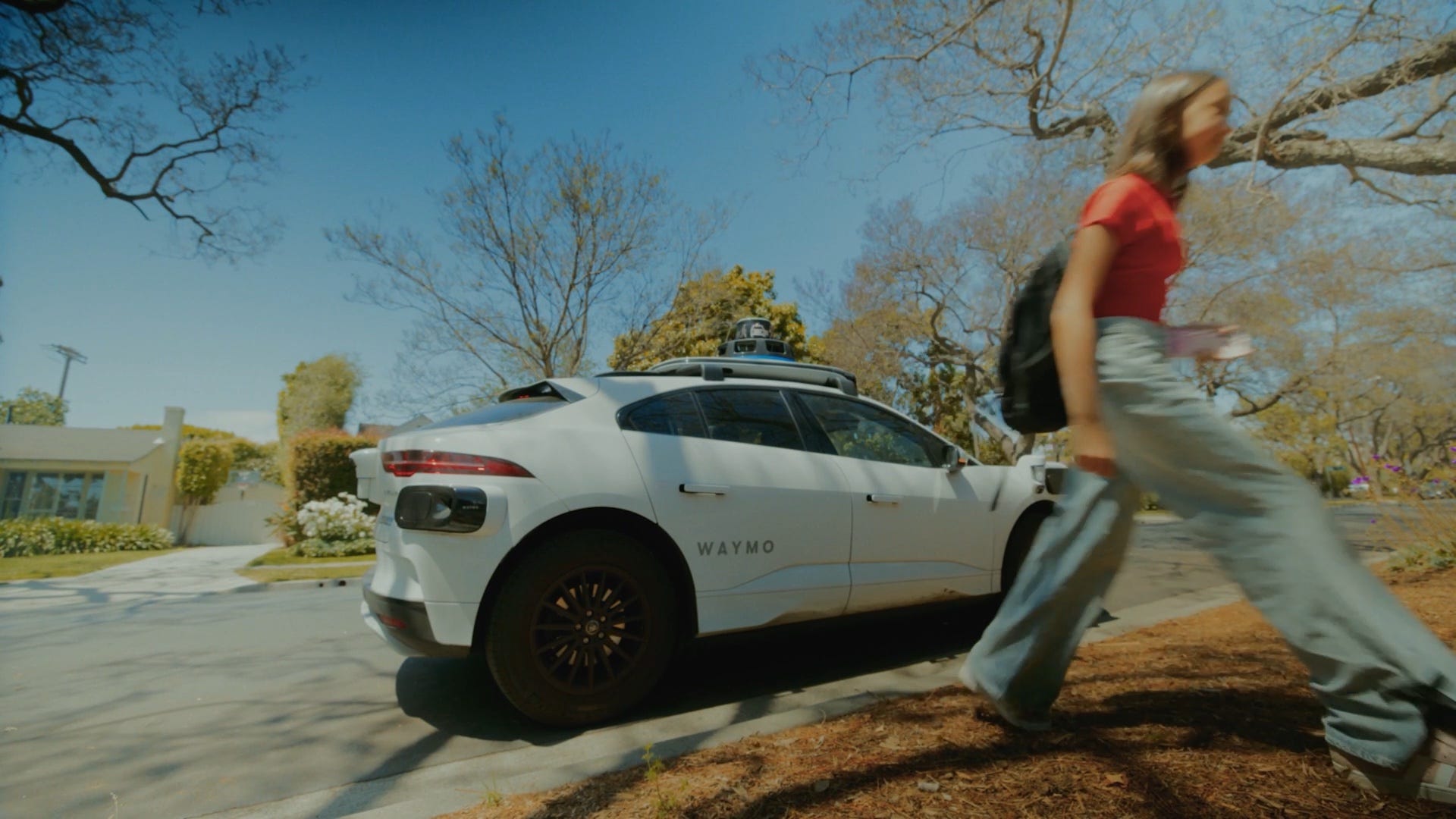
Sometimes, more subtle signs of meaningful progress exist. This week, Waymo began offering accounts to teens ages 14 to 17 in metro Phoenix. When linked to their parents’ accounts, teens can travel by themselves across the entirety of Waymo’s 315-square mile operating area.
“It’s been a really great experience to give her some autonomy and not be so dependent on family members to drive my teen around,” said Crystal Whitlatch, a Chandler, Arizona, parent of a teenager.
Teens can loop their parents into their rides via rider-support agents, if needed, and they can share real-time updates on their whereabouts.
As the parent of three teenagers myself, I view this development with a degree of jealousy: Getting kids to and from their after-school activities involves a harried, hours-long choreography that too often falls apart with the slightest curveball.
Waymo is solving a real parental problem, and delivering on a long-ago promise of providing independence and mobility for those who cannot drive for themselves.
I’ll be curious to follow uptake of this service. Nearly three-quarters of Americans still do not trust autonomous vehicles. Will parents let a self-driving vehicle whisk their children around town? I would. Would you?
A closer look at China’s automotive ascendance
Michael Dunne, founder of Dunne Insights, joined me on this week’s Shift mobility podcast. (If you’re unfamiliar, this is the weekly podcast on transportation innovation that I’ve hosted since 2019).
We discussed Ford CEO Jim Farley’s reverence for Chinese automakers, whether America’s legacy automakers can ever compete again in China, and a potential way for U.S. consumers to buy cheap Chinese EVs and avoid the cost associated with burdensome tariffs.
Here are three noteworthy takeaways:
Foreign automakers held 63 percent of the Chinese auto market in 2020. They hold 33 percent of it today. By 2030, consulting firm AlixPartners expects foreign automakers will hold less than a quarter of the Chinese auto market.
Tariffs may be unpopular, but they can be quite effective, Dunne said. Case in point: Imports only constitute about 3 percent of overall car sales in China. “Any time China accuses the United States of being too protectionist, I have to laugh,” he said.
Ever heard of vehicular immigration? Dunne recently visited a BYD dealership about a mile from the U.S. border in Tijuana, Mexico. Conceptually, it may be possible for an American consumer to buy a lightly used BYD vehicle in Mexico, avoid the harshest of new-car tariffs, register the car in Mexico, and then drive it back into the United States.
While complications abound, this bears watching.
Listen to the full episode of “Shift: A podcast about mobility,” with Michael Dunne.
Upcoming events on my radar
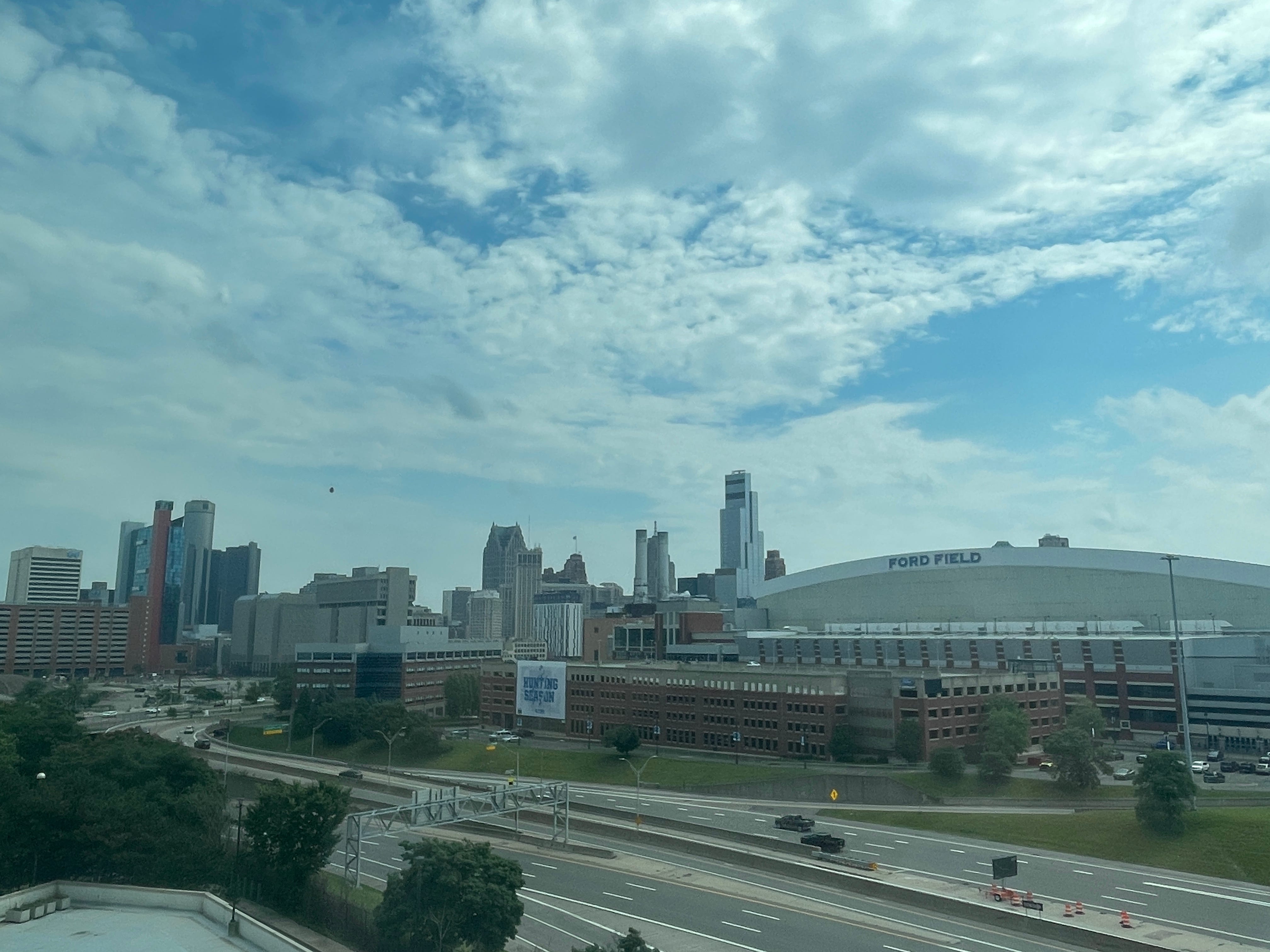
Detroit’s desolate auto show has vacated its place on the fall calendar, clearing room for an influx of new and interesting events to take its place in and around the city.
The first of these takes place next week when “Reindustrialize,” a conference bringing together tech, manufacturing government and military stakeholders to discuss modernizing the U.S. industrial base, occurs July 16 to 17.
Others coming in a packed fall lineup include:
The Center for Automotive Research holds its annual Management Briefing Seminar, known as CAR MBS, September 15 to 17 at Michigan Central Station.
Automotive News hosts its annual Congress event, bringing together auto industry leaders, on September 10 and 11. I’m excited for this one. General Motors CEO Mary Barra and Hyundai Motor Group executive chair Euisun Chung are keynoting the event, and I’ll be moderating a panel on China’s automotive ascendance. If you’re interested in attending, please register using this link.
The MOVE America conference makes its own move from its traditional home in Austin, Texas, to Detroit this fall. It has historically brought together a strong mix of Fortune 500 companies and mobility startups alike. It will be held September 24 to 25 at Huntington Place. I’ll be there moderating a panel or two.
The Battery Show returns to Huntington Place from October 6 to 9 at a precarious time for a fledgling industry now facing significant political and policy-related headwinds.
Focused on all things electric transportation, the Forth Roadmap Conference returns to Detroit for the second straight year. It will be held October 14 to 16.
If you will be at any of these conferences, reach out and let me know. I would love to meet up.
That’s it for today. I am open to suggestions, and hope you’ll subscribe to Velocity below. Look forward to connecting again next week.